
Arthritis is a broad term for over 100 conditions that cause swelling, pain, and stiffness in joints and surrounding tissues. It is very common, affecting around 1 in 4 individuals in the US. Many associate this term with elderly folks, but it is actually possible to experience arthritis at any age. Currently, there is no cure for arthritis. However it can be managed through medication, lifestyle choices, and physical therapy.
The most common kinds of arthritis are Osteoarthritis, Rheumatoid arthritis, and Psoriatic Arthritis. While these all have the symptoms of swelling, pain, and stiffness in one or more joints, they do not have the same causes. Osteoarthritis is the kind most people think of; it can be linked to age, but also injuries, overuse of joints, genetics, or obesity. The cartilage and other tissues surrounding a joint breaks down over time, leading to pain, stiffness, and swelling. Rheumatoid arthritis is an chronic inflammatory autoimmune disorder, meaning the immune system mistakenly attacks healthy tissues In this case the specific tissues attacked are called synovium. These tissues surround a joint and produce fluid to keep the joint moving smoothly. The synovium becomes inflamed, causing swelling and pain. The third most common kind of arthritis is Psoriatic arthritis, also a chronic autoimmune disease. It is linked with the skin condition psoriasis, and can begin at any age. With this type, the immune system attacks tissues where the tendons and bones meet, called entheses. Just like Rheumatoid arthritis, the attack causes chronic inflammation.
Because arthritis affects the joints, these conditions can have an impact on just about every aspect of one’s daily life. Basic activities like walking, climbing stairs, getting dressed, or sleeping can become difficult or uncomfortable. However, pain doesn’t always mean vou should stop moving. Gentle movement can be one of the best tools for managing arthritis.
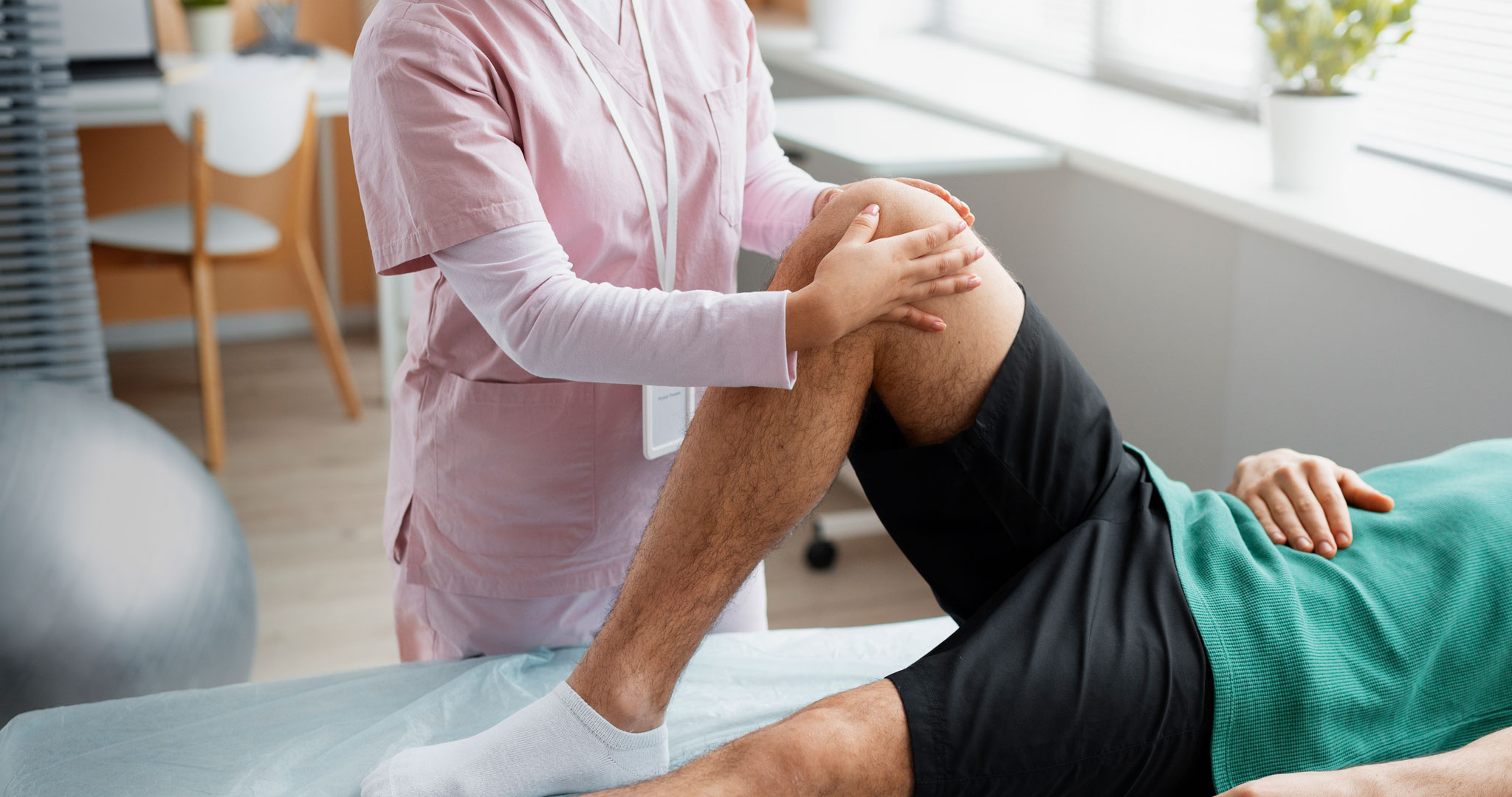
This is where physical therapy can play a role. A physical therapist can help arthritis patients by:
- Improving joint mobility: gentle stretching and movement exercises help reduce stiffness and support daily function.
- Strengthening supporting muscles: strong muscles reduce stress on painful joints.
- Natural pain reduction: manual therapy techniques, movement-based pain relief, and other supportive treatments when appropriate.
- Improving balance and stability: maintaining confidence with walking and movement, reducing fall risk and improving coordination.
- Education and long-term management: learning pacing strategies and joint protection, guidance on safe exercise and activity modification, and emphasizing individualized treatment plans.
Depending on the details of a patient’s situation, physical therapists may recommend low-impact exercises such as walking, swimming, gentle stretching, balance drills, or light resistance training. When introduced gradually and followed consistently, these activities can improve quality of life for those struggling with arthritis.
If you are experiencing pain that limits daily activities, worsening stiffness, instability in movements, or anxiety about how to approach exercising with arthritis, you could benefit from a consultation. Arthritis does not have to mean giving up activity, though it may require some adjustments. Early treatment can help maintain mobility and independence. Movement, strength, and guided care can make a meaningful difference for most patients.