
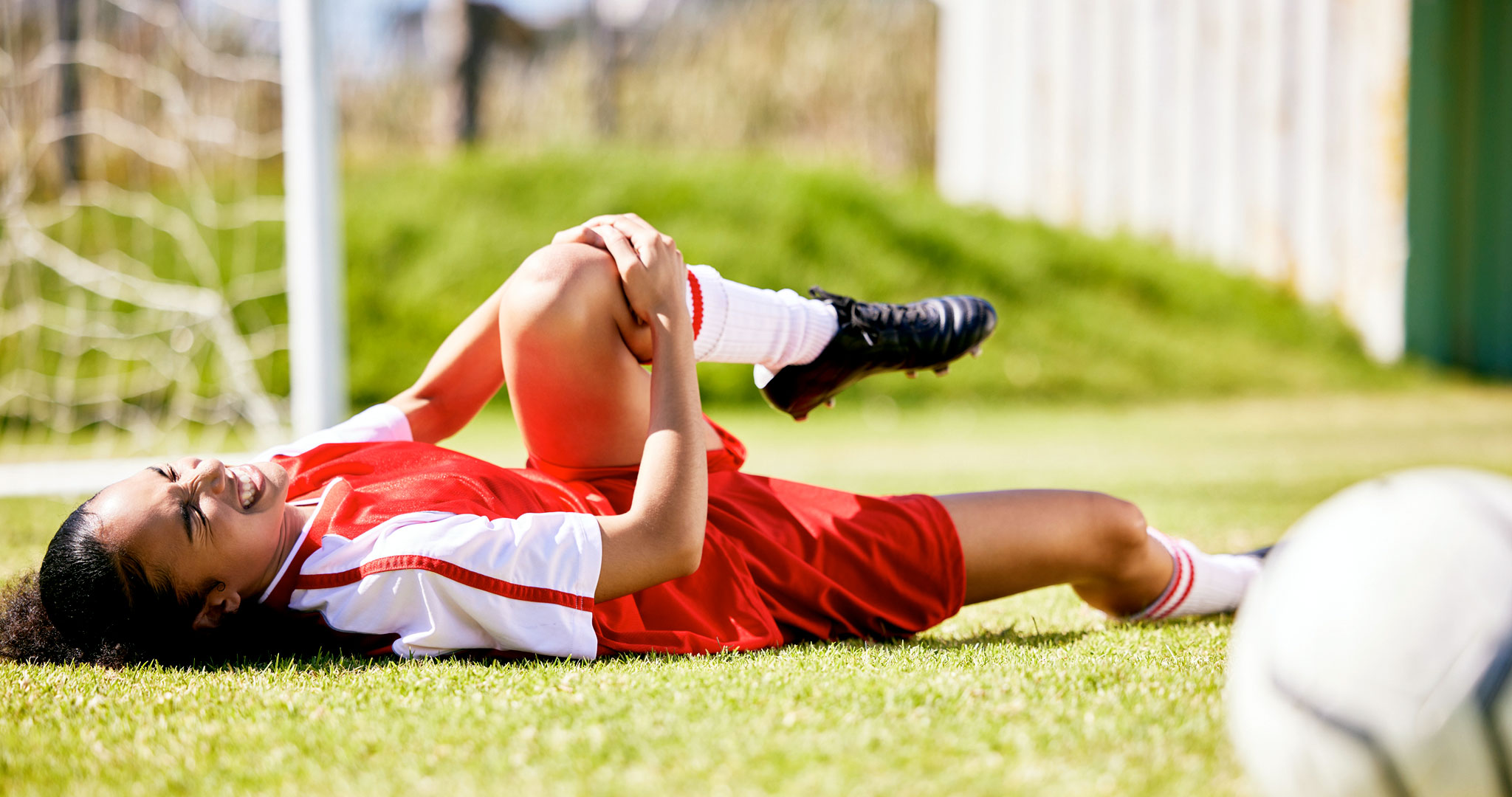
Soccer is a physically demanding sport. Players spend 60–90 minutes running, sprinting, changing direction, jumping, and competing at a high intensity. With this level of physical demand, post-game recovery is an important part of staying healthy and performing your best.
A consistent recovery routine can help the body replenish energy, repair muscles, reduce fatigue, and prepare for the next practice or game.
Why Is Recovery Important for Soccer Players?
During a game, players place significant demands on their muscles and joints while also using energy and losing fluids through sweat. Proper recovery can help:
- Reduce muscle soreness and fatigue
- Replenish fluids and energy stores
- Support muscle repair
- Prepare the body for the next practice or game
5 Key Soccer Recovery Tips
1. Rehydrate
- Replacing fluids after a soccer game is an important first step in recovery, especially after playing in hot or humid conditions.
- Drink water before, during, and after games and continue hydrating throughout the evening. After significant sweating, replacing electrolytes may also be helpful.
2. Refuel With Carbohydrates and Protein
- Your body needs adequate nutrition to recover from exercise. A post-game meal or snack should include carbohydrates and protein.
- Carbohydrates help replenish energy stores used during the game, while protein supports muscle repair and recovery. If a full meal isn’t immediately available, a simple recovery snack can be a good first step.
3. Cool Down
- After an intense game, take a few minutes to gradually transition from competition to rest. An easy walk, light jogging, or gentle mobility exercises can be a simple way to cool down.
- The goal isn’t another workout; it’s simply to allow your body to transition toward recovery.
4. Prioritize Sleep
- Sleep is one of the most important parts of athletic recovery. It gives the body time to repair tissues and recover from the physical and mental demands of training and competition.
- Following games and hard training sessions, athletes should prioritize getting enough quality sleep and maintaining a consistent sleep schedule whenever possible.
5. Keep Moving the Next Day
- Complete rest isn’t always necessary after a soccer game. Depending on how the athlete feels and when the next practice or game is scheduled, light movement can be a useful part of recovery.
- Walking, easy cycling, gentle mobility, or light resistance-band work can keep the body moving without adding significant physical stress.
A Simple Post-Game Recovery Routine
Immediately After the Game
- Walk and cool down
- Begin replacing fluids
- Have a recovery snack if needed
Over the Next Few Hours
- Eat a balanced meal with carbohydrates and protein
- Continue drinking fluids
- Perform gentle mobility if comfortable
That Night
- Prioritize rest and quality sleep
The Following Day
- Check in with how your body feels
- Get some light movement
- Continue hydrating and eating enough to support recovery
When Should a Soccer Player See a Physical Therapist?
Some soreness and fatigue after a game are normal. However, pain that persists, gets worse, or repeatedly returns may be a sign that something needs to be addressed.
Consider having an athlete evaluated by a physical therapist for:
- Persistent knee, hip, or ankle pain
- Hamstring or groin pain
- Recurring ankle sprains or other injuries
- Pain that changes the way they run or play
- Repeated injuries to the same area
- Difficulty returning to soccer after an injury
Physical therapy isn’t only for major injuries or surgery. A physical therapist can also identify strength, mobility, movement, or training factors that may be contributing to recurring pain.
Recovery Is Part of Performance
Training hard is only one part of becoming a better athlete. Recovery gives the body an opportunity to repair and adapt to the demands of training and competition.
By making hydration, nutrition, sleep, and appropriate movement part of a regular routine, soccer players can give their bodies the support they need throughout the season.
If you’re dealing with a soccer injury, recurring pain, or difficulty getting back to the field, Tensegrity Physical Therapy can help you develop a plan to safely return to the sport you love.